


Xexyz
Or: What’s lost and found in translation.
In the Earthbound volume of his Legends of Localization series, Clyde Mandelin divides the art of localizing games text into three tiers, separated by degrees of interpretation. The base level is “raw translation,” a literal, word-for-word translation with little regard for context or legibility. Then “clarification,” which maintains the original intent but re-phrases the text to sound more natural in its second language. The final stage is “adaptation,” where the original text is effectively re-written, sometimes with little regard for the source material. This could be for many reasons, from political and social considerations, to contextless cultural assumptions, to raw character limits.
That’s not to say that a specific game’s localization, on the whole, can be cleanly pigeonholed by tier. The process typically involves several people translating several aspects; discrete elements from any given game could be characterized by any of these levels. The limits on NES and Famicom games’ text display (and perhaps an ambivalence toward non-technical matters in the rapid-fire, early days of game production), resulted in a lot of games whose translations occupied the first and third tiers. It’s not uncommon to find NES adaptations with stiff, literal translations, but also ports where large portions of the narrative were omitted altogether or simply re-written.
It’s worth noting that Mandelin is introducing Mother 2 when defining these terms, a later Super Famicom game that was less constrained by character count and benefitted from a dedicated translation team and coordinated marketing campaign. NES games, as adaptations of earlier Famicom games, often arrived as a weird stew of disparate, unheeded text and imagery. External context clues became vital (packaging, instructions, advertising, magazine previews), but they were also discordant and prone to invention by writers and artists who were probably given a mandate to redefine the game’s narrative framework for a local audience, given the leeway to do whatever they felt like, or maybe some combination of both.
To the extent there was any sense to be made, some interpretation was required.
NES games (or maybe just third-generation games in general) occupied an evolutionary middle period in video game storytelling; they were better-defined than the abstract, contextless sprites of the Atari 2600 era, but they lacked the fidelity and explicit, text-rich plot that would come with 16-bit games such as Mother 2. Combine this with the perils of localization (and perhaps a corporate indifference toward products then conceived and marketed as toys), and you wind up with a period where this uncertainty sometimes results in nascent storytelling methods that don’t really fit together.
However, the missing, or even accidental, context can suggest a different experience than what was intended. In some cases this is merely frustrating (good luck understanding NES Strider), but with games like Xexyz, whose circuitous production somehow manages to touch on all of these bases, the ambiguity can be captivating.
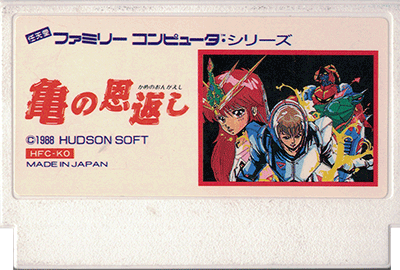
Kame no Ongaeshi: Urashima Densetsu
Release date: 1988
Publisher: Hudson Soft
Developer: Atlus
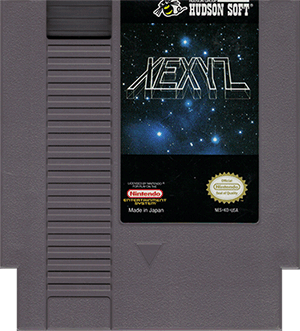
Xexyz
Release date: 1989
Publisher: Hudson Soft
Developer: Atlus

Kame no Ongaeshi: Urashima Densetsu
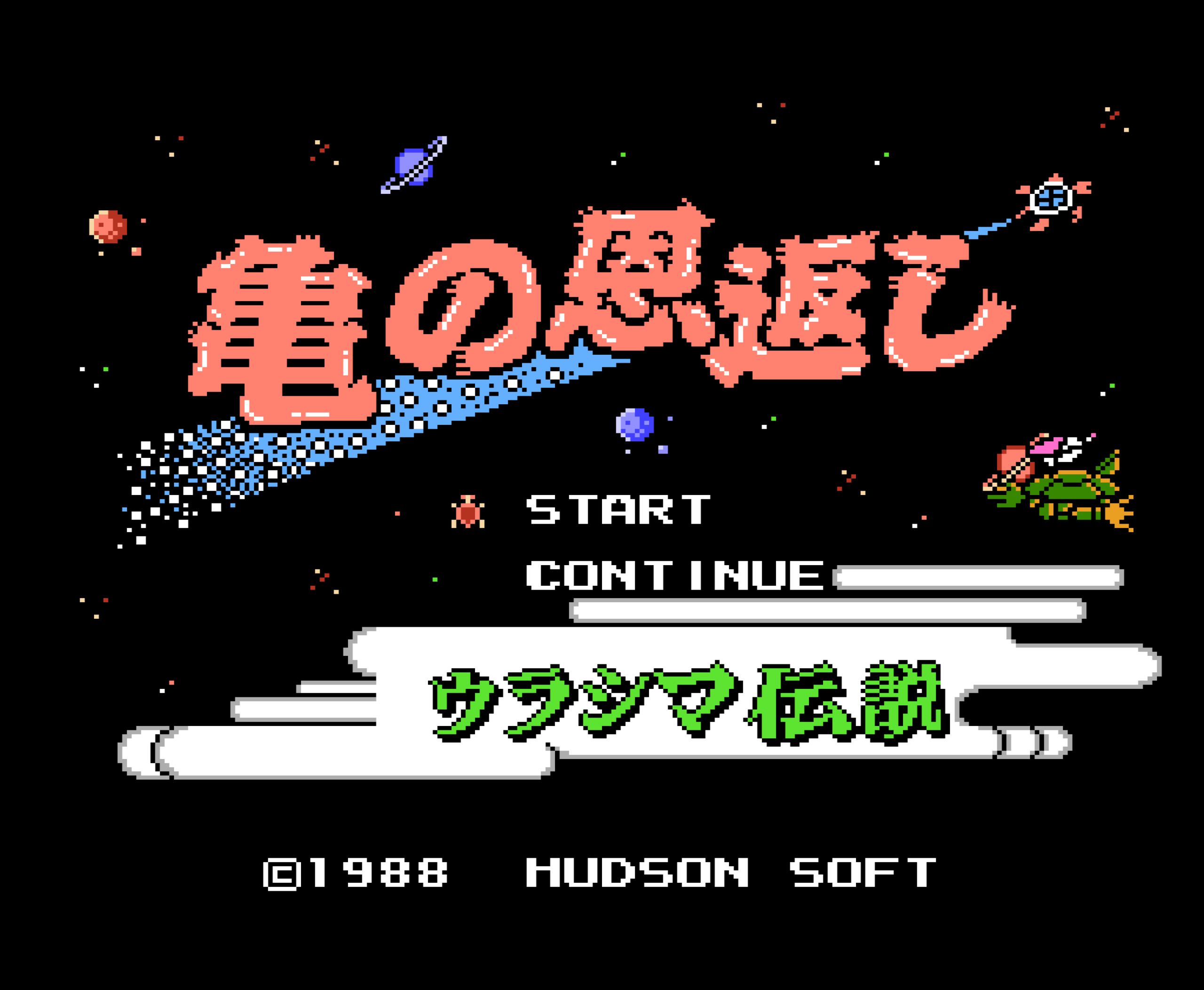
Hudson Soft’s 1988 release Kame no Ongaeshi: Urashima Densetsu (something in the ballpark of The Grateful Turtle: Legend of Urashima) was an ambitious hybrid. The company had made its name with several Famicom hits including Bomberman, Takahashi Meijin no Boukenjima (Adventure Island) and ports of early home computer games such as Lode Runner and Raid on Bungeling Bay. But Kame no Ongaeshi feels like a step forward, at least from their early puzzle games and arcade ports. It alternates between a series of genres while maintaining an aesthetic and technical level of polish beyond what you would expect after, say, Nuts and Milk. Kame no Onagaeshi never outshines its various influences, individually, but the quality never really dips either. It’s an impressive feat for such a digressive experience.
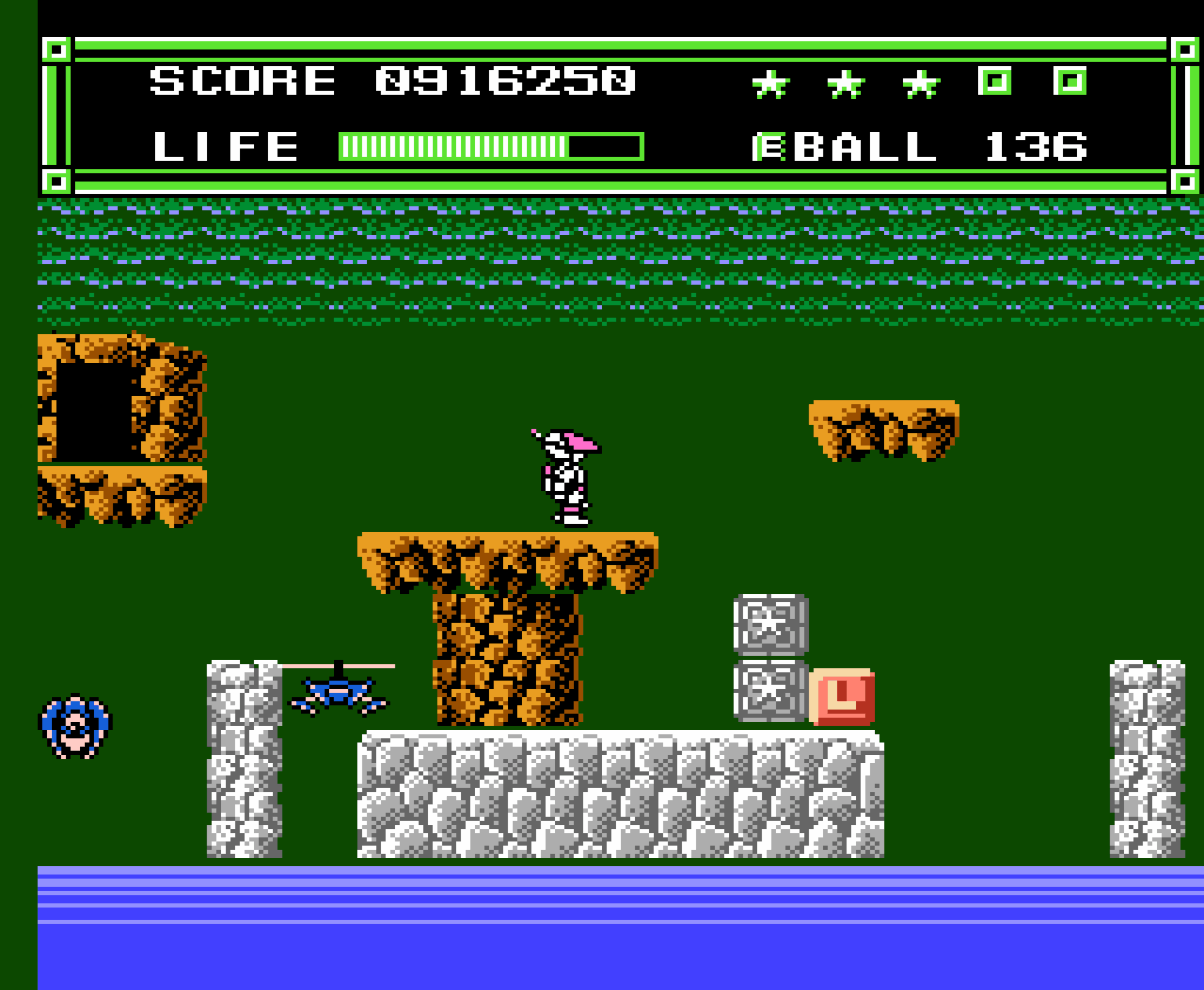
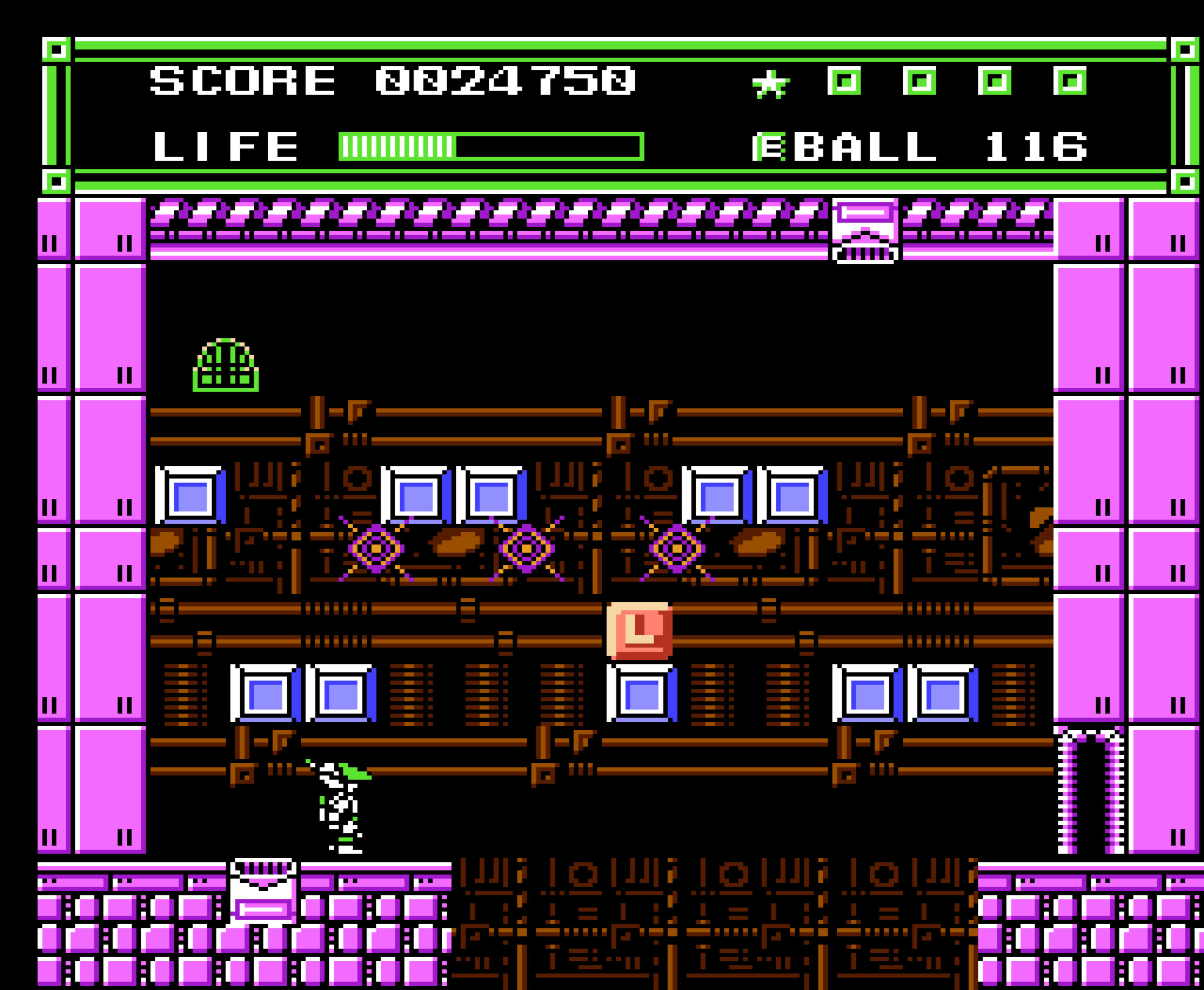
The game begins as a platformer with light adventure elements, something in the vein of Mega Man crossed with The Adventure of Link. The player character moves left to right, jumping over standard sidescroller obstacles and firing through a forest setting teeming with enemy robots. Doors leading to side rooms are scattered throughout the stage and lend a bit of non-linear depth. Here, you encounter a variety of secondary characters and other digressions: a fairy needs to be rescued from a flying head, several NPCs offer new abilities, a robot offers paid advice. In order to advance from the first stage, you’re told to backtrack and find a hidden door leading to the level’s boss.
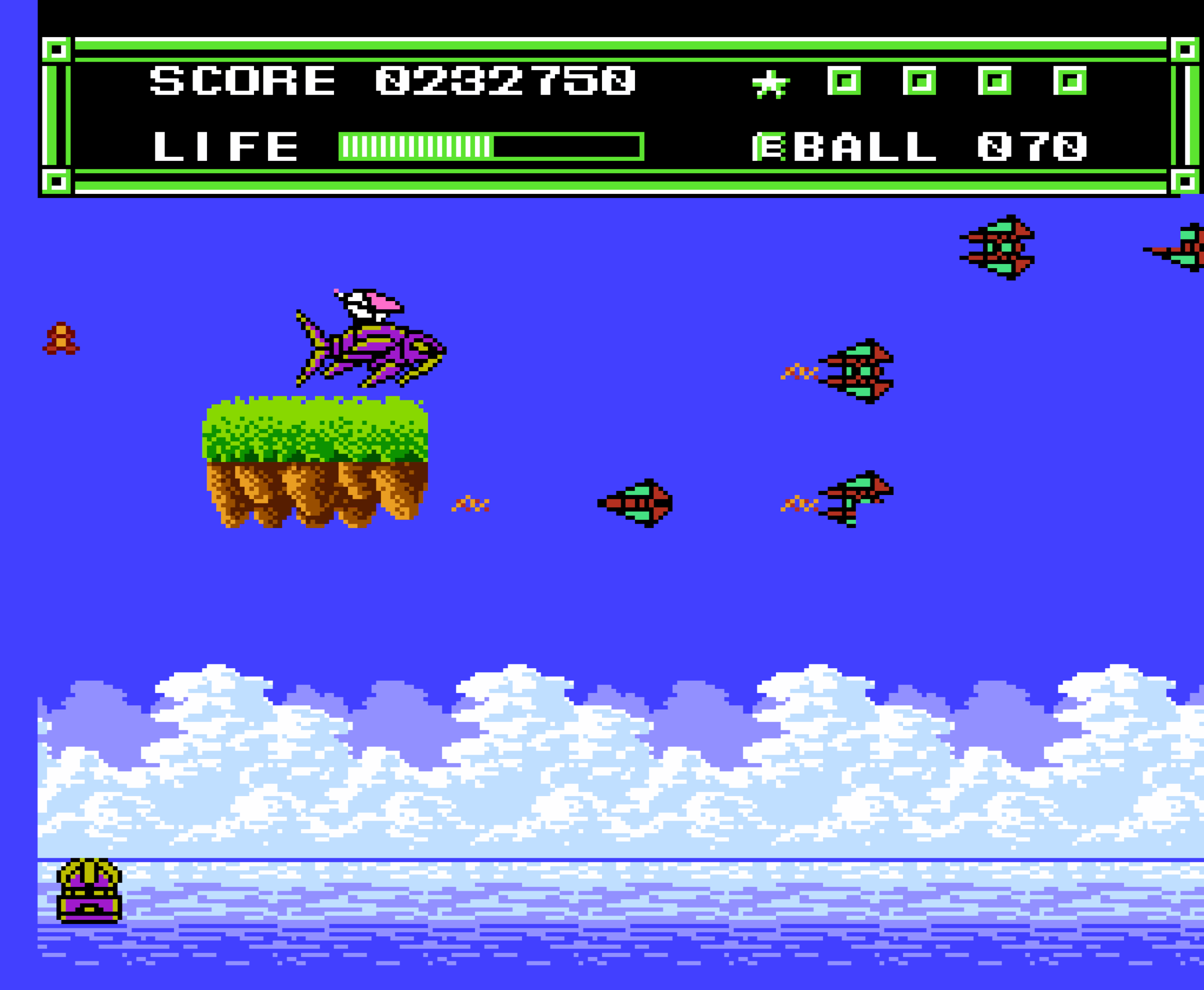
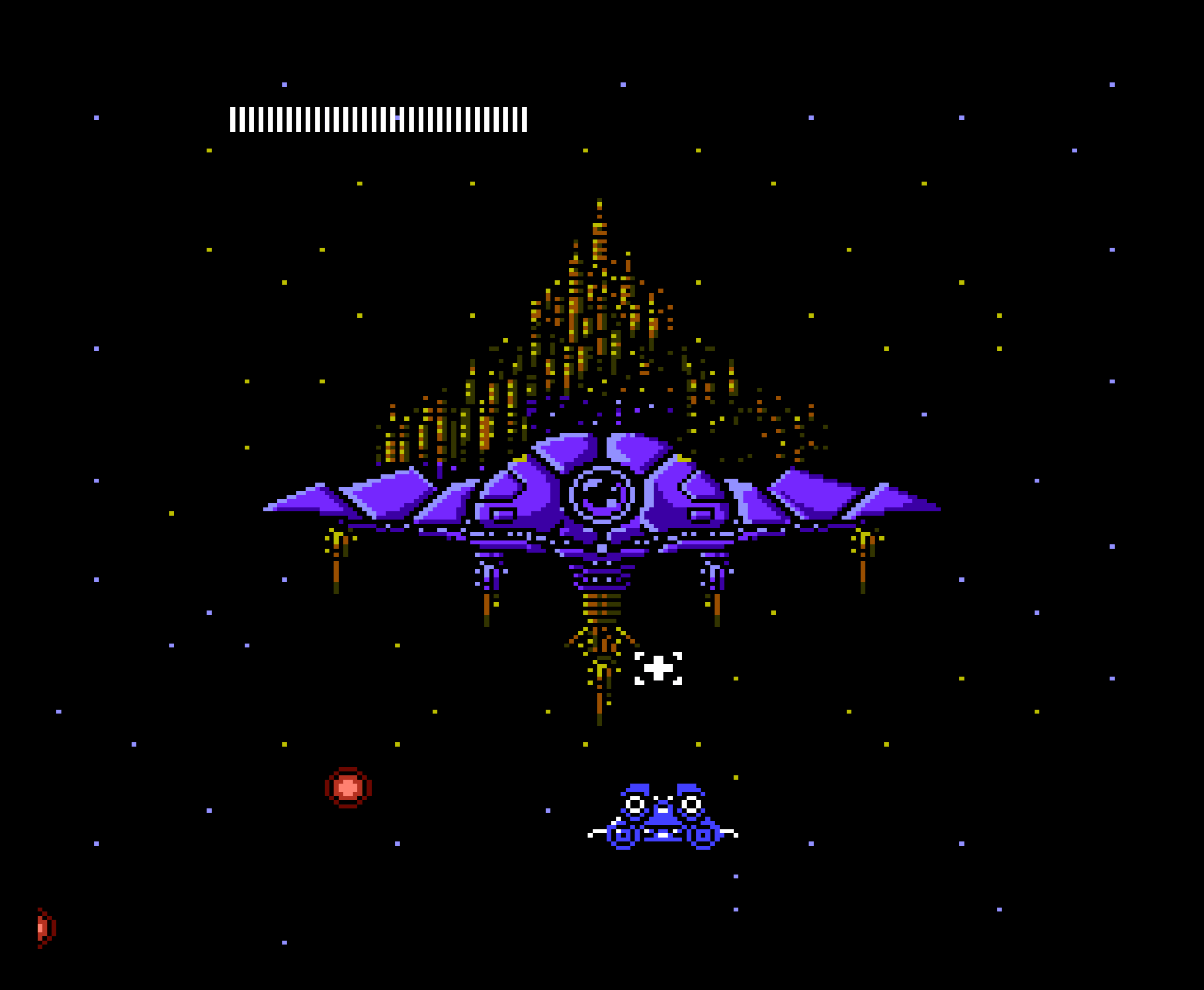
As with many other Famicom action games from this era, Kame no Ongaeshi builds a sense of depth by juxtaposing existing, but incongruent, genres. The game has a dependable pattern early on: the first stage of each world plays out in this 2-D platformer mold, followed by an indoor stage that almost becomes Metroid-like in its non-linearity, then a sidescrolling shooter section straight out of Gradius. Each world ends with a large boss fight where the screen goes dark and you face off against a Darius-esque fish/robot hybrid. The game takes one last swerve in its final encounter, a spaceship battle with the viewpoint reoriented behind the player.


The aquatic trappings are no coincidence. Kame no Ongaeshi is heavily based upon the Japanese folk tale Urashima Tarō, where young fisherman Urashima intervenes when he sees a group of boys torturing a tortoise. The tortoise repays him with a tour of the Sea King’s palace at the bottom of the ocean. After Urashima is introduced to the Kingdom’s beautiful princess, she reveals that she was the tortoise all along. Urashima is promised eternal youth for his generosity and they immediately marry, but he grows homesick and leaves to tend to his parents.
The princess sends him off with a wrapped box and an ominous warning that it “contains something very precious” which must never be opened under any circumstance. Once he returns to land he finds that three-hundred years have passed. Crestfallen and unsure how to return to the Sea King’s palace, Urashima gives the forbidden box a shot. He rapidly ages and dies, the story concluding (in Yei Theodora Ozaki’s 1908 translation) with a PSA about the perils of disobedience.
Kame no Ongaeshi begins with a long cutscene retelling the Urashima Tarō story as something of a robot anime. The Cutting Room Floor notes the main character is Ken Urashima, “a descendant of Urashima Tarō,” who also saves a tortoise while fishing. Instead of a wistful tale of eternal love bolstering a parable about disrespecting orders, Kame no Ognaeshi’s sea kingdom is under attack by the “Machine Beast Empire.” According to the manual the tortoise recognizes Ken’s power and asks him to save the kingdom’s six kidnapped princesses. Ken suits up, and the game begins.

The hidden story of xexyz
Kame no Ongaeshi begins with a retelling of the Urashima Tarō story that was completely omitted from the English localization.
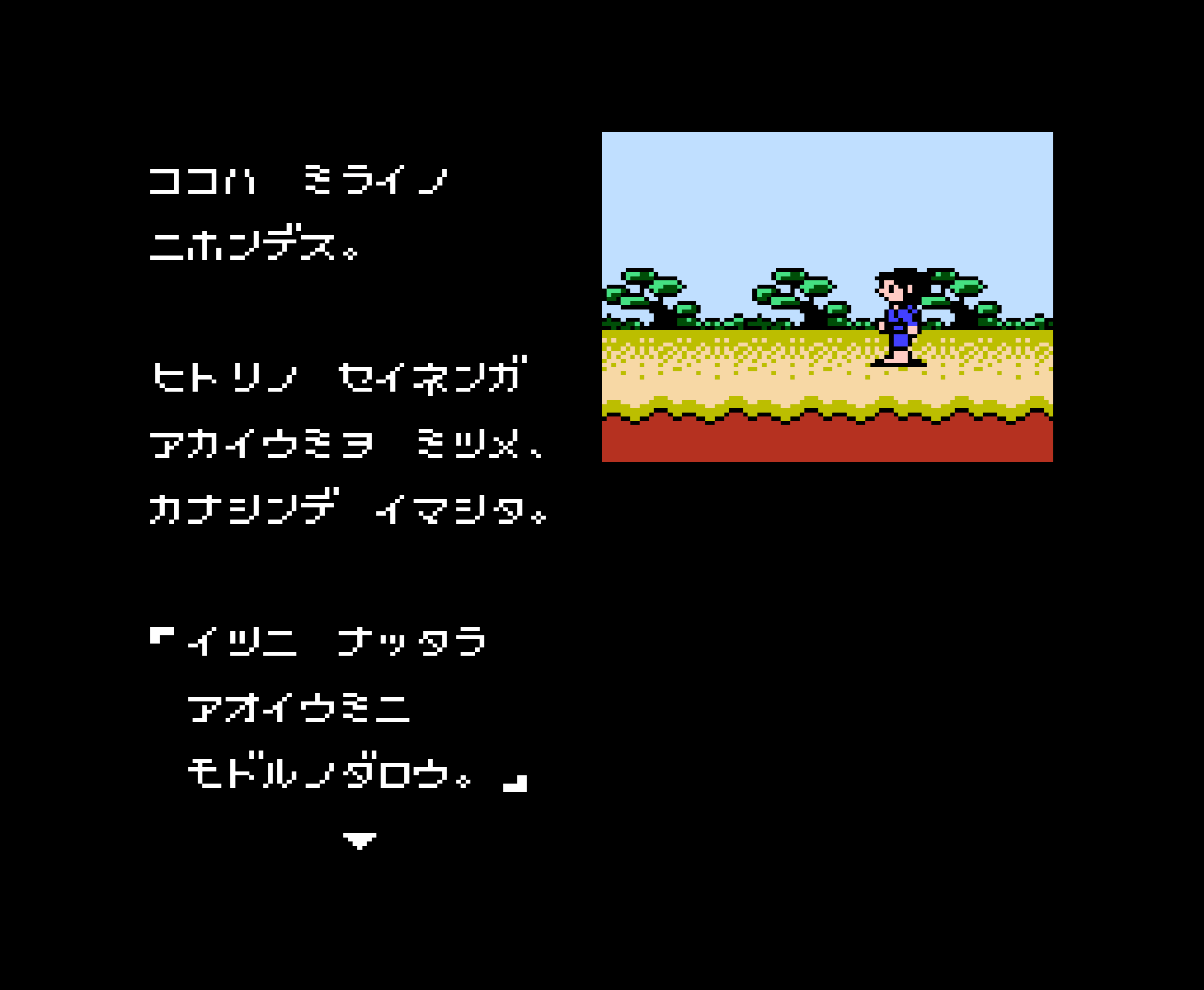
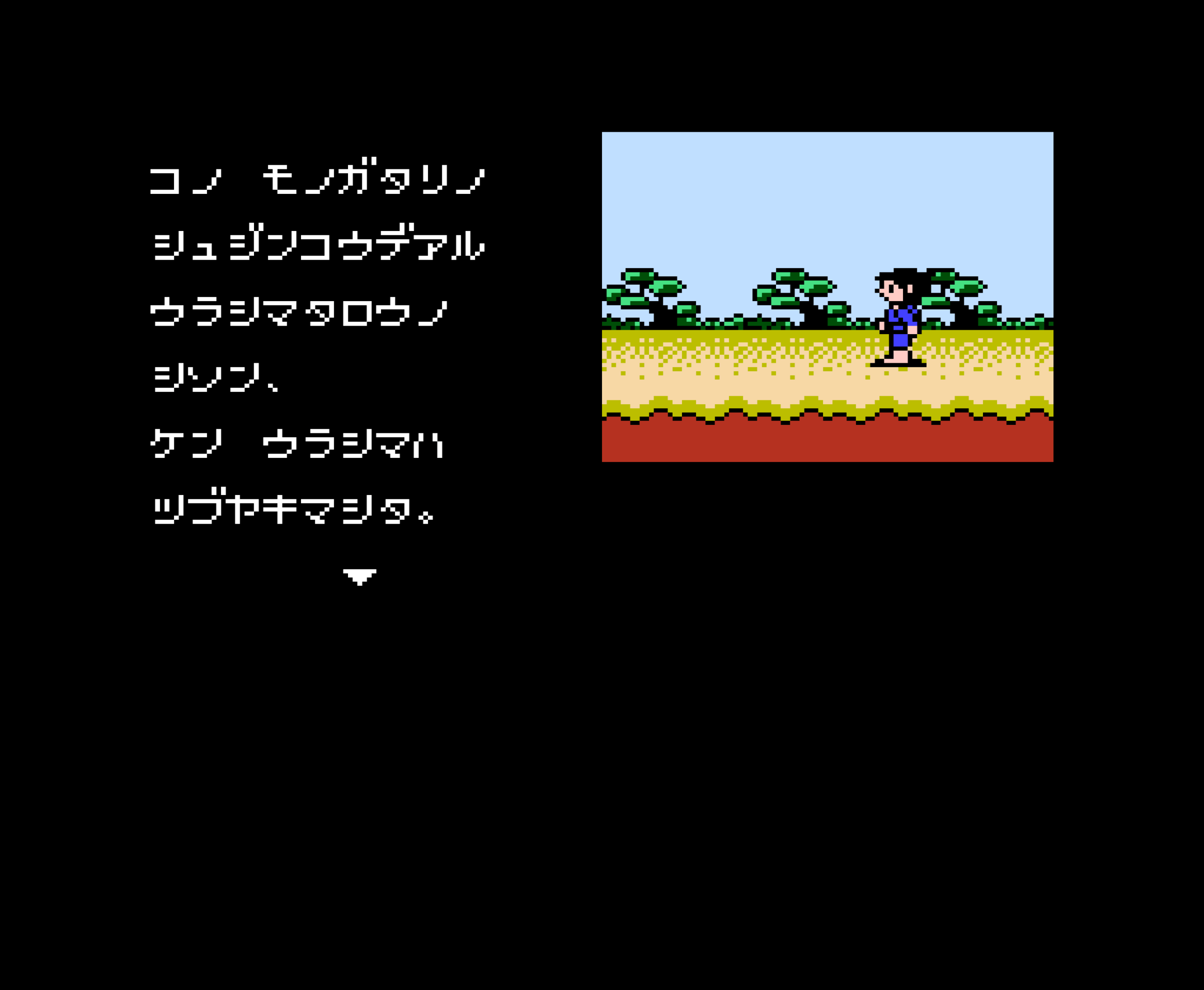
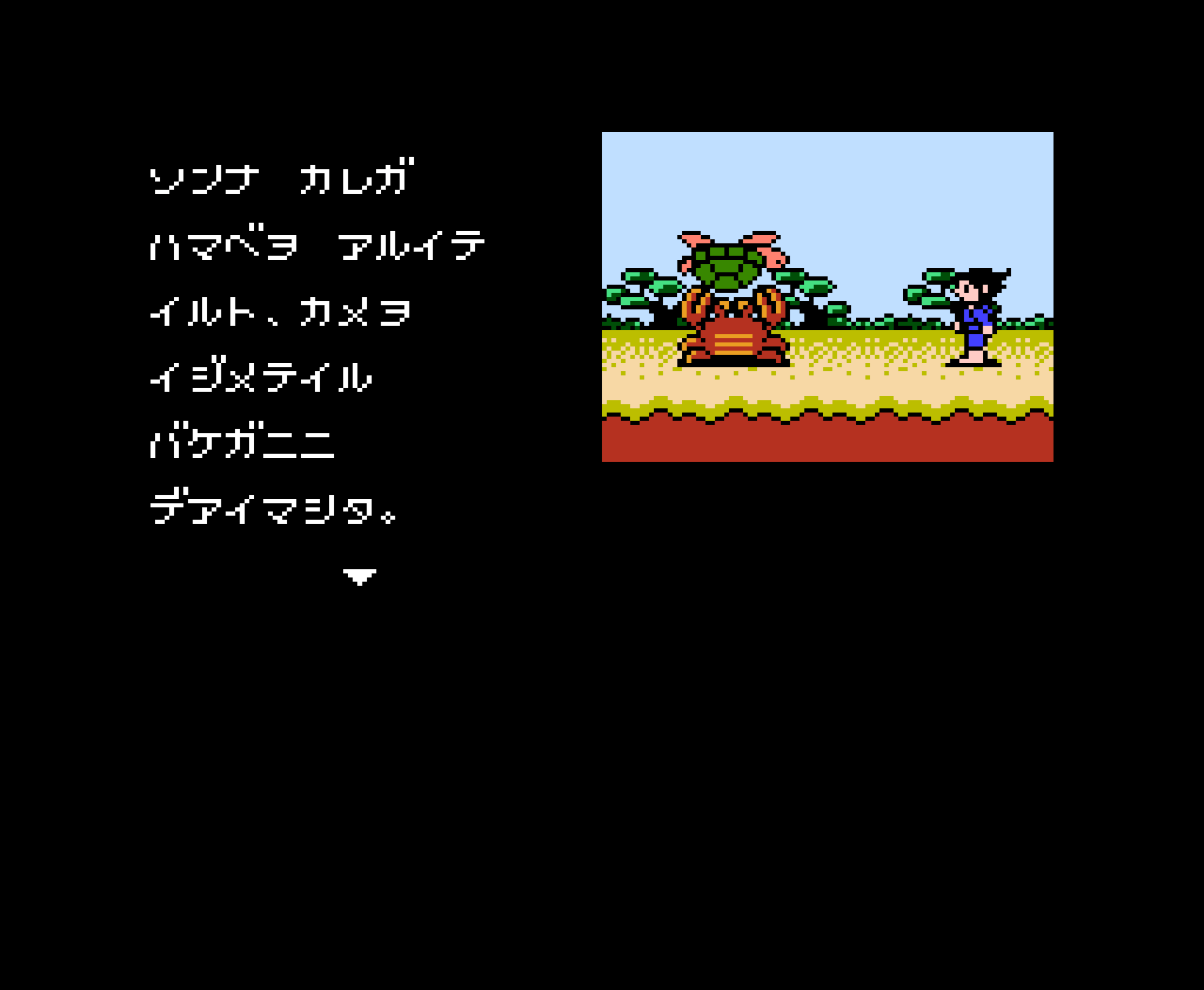
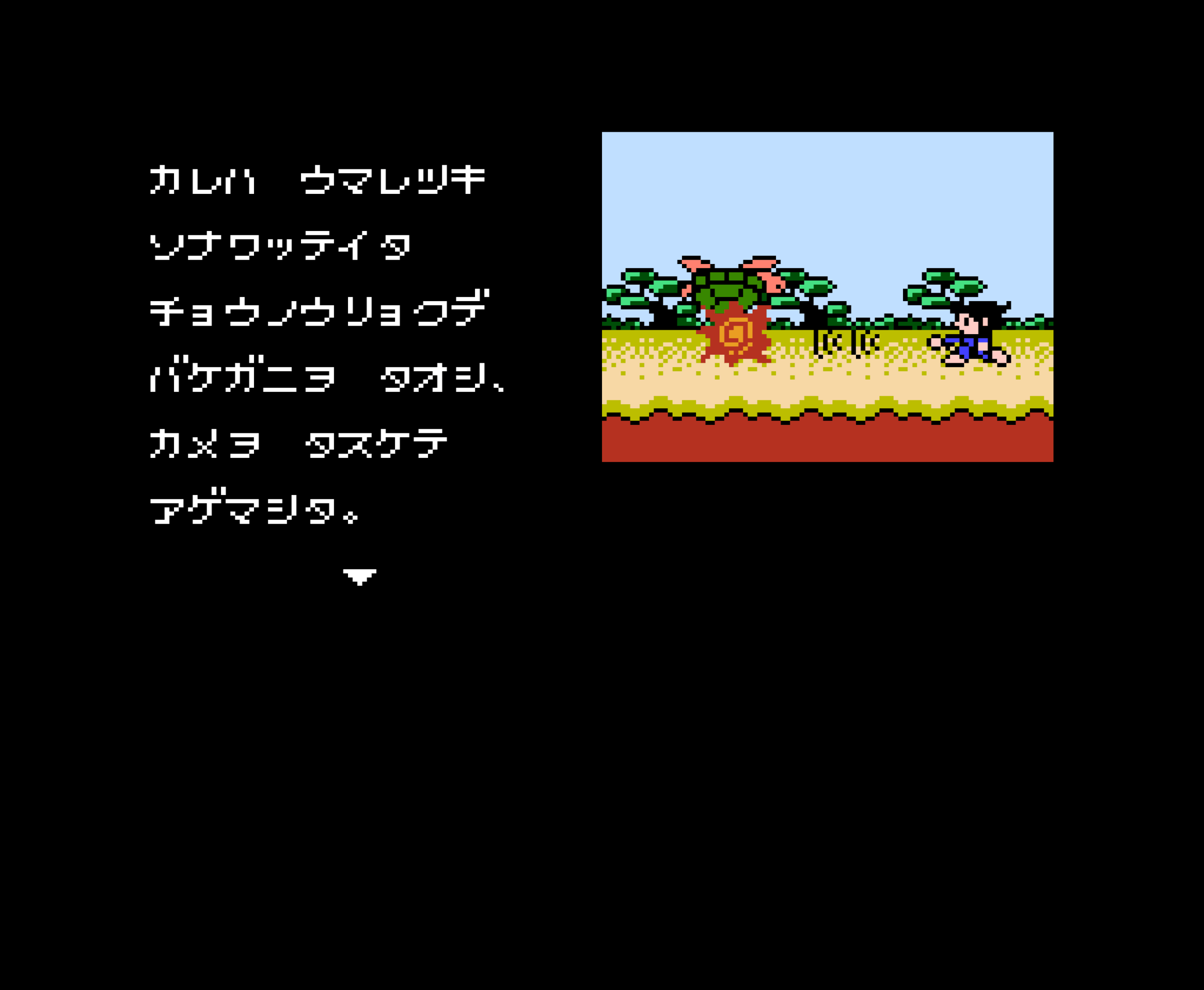
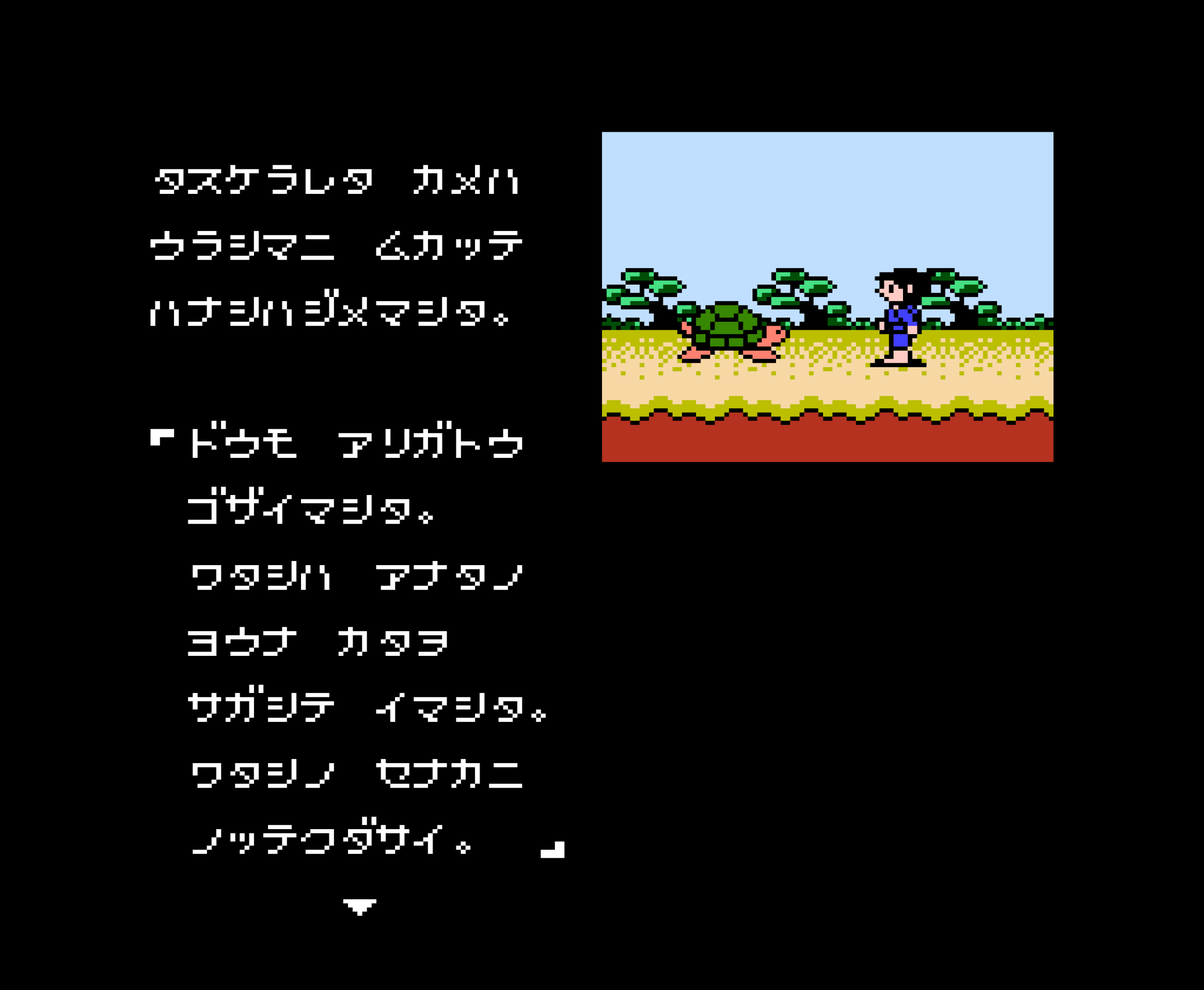
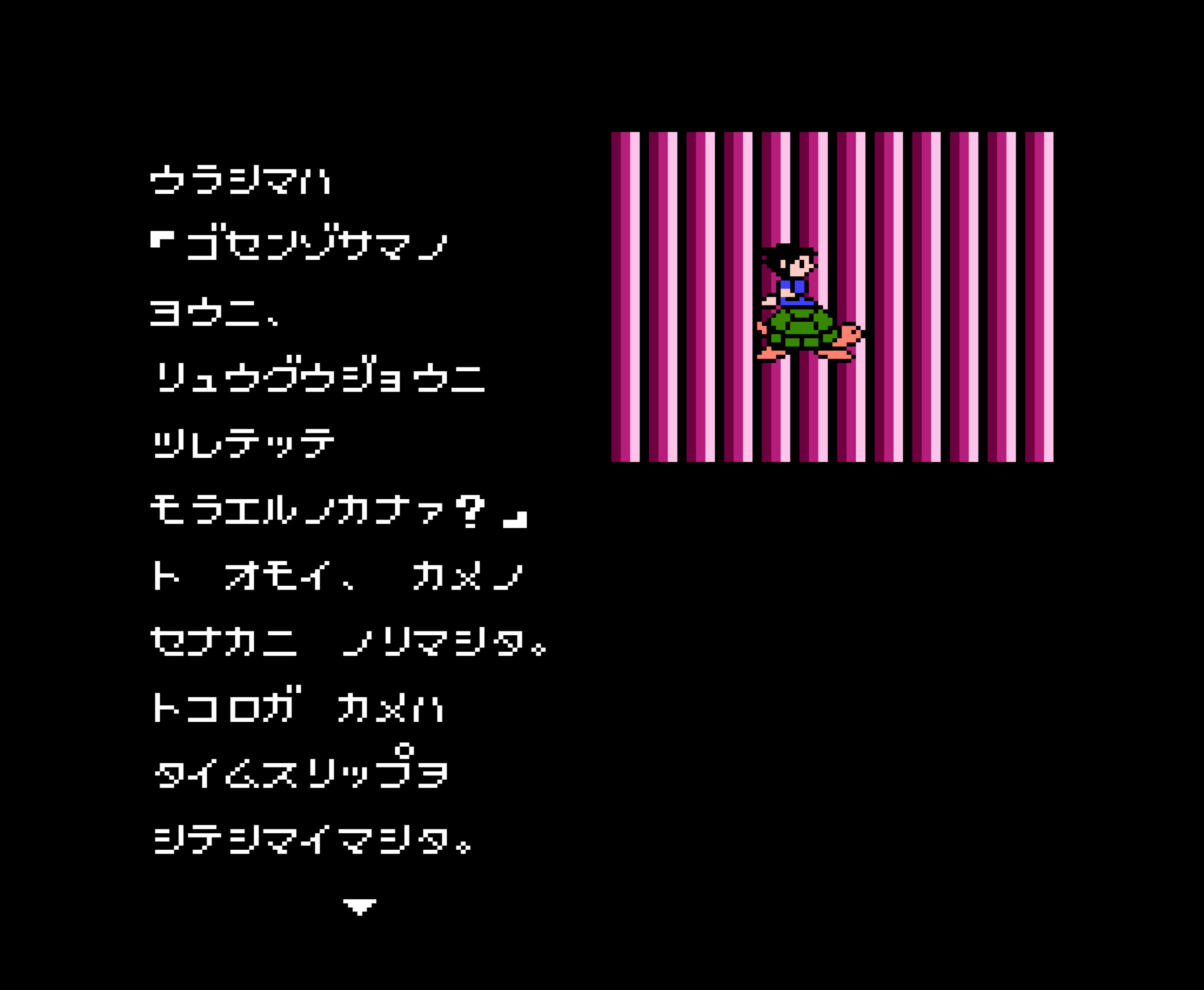

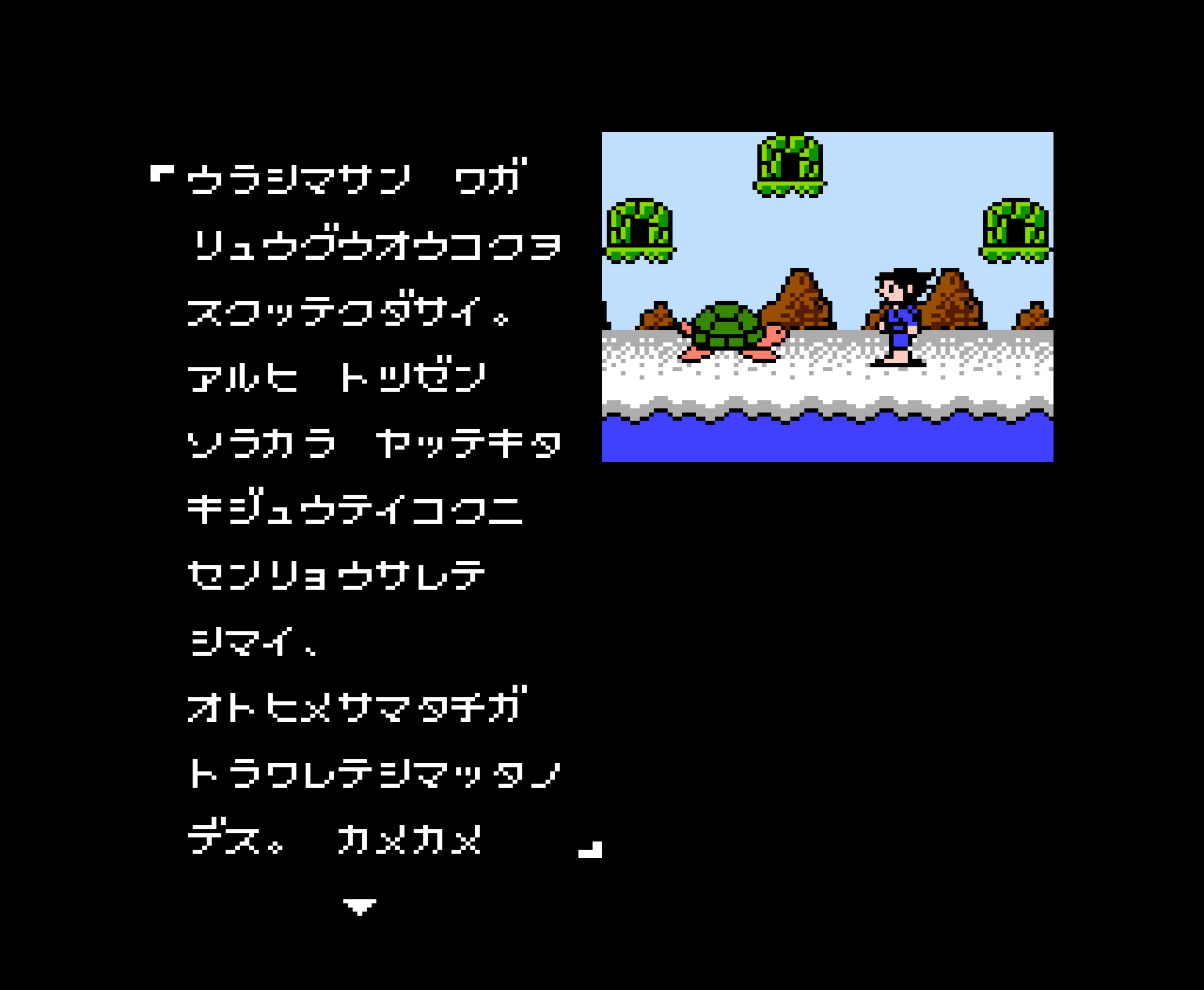
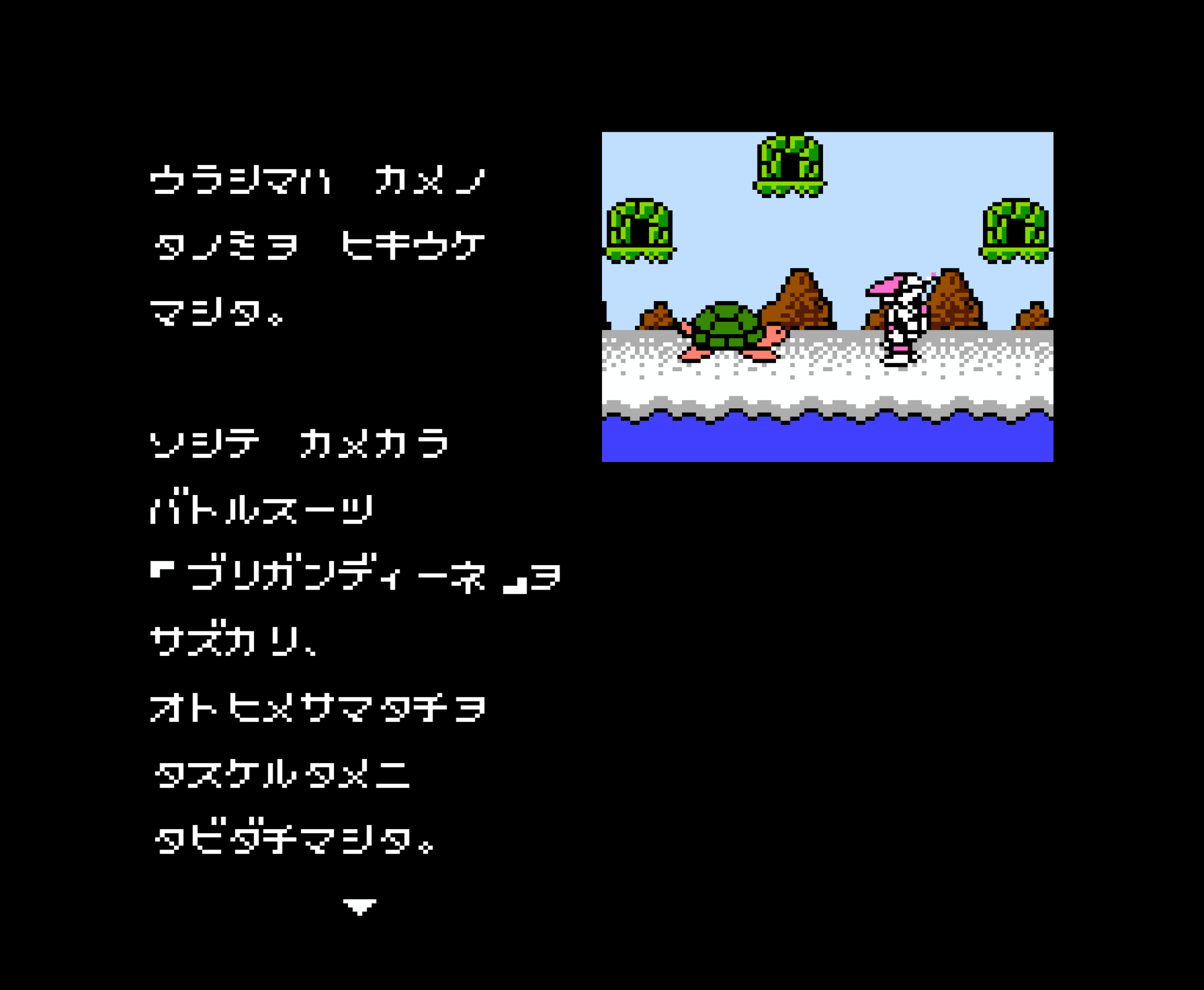
From this point on there is little resemblance to the source material, other than some aquatic visual motifs. (Among Ken’s many “cyborg riders,” sea animal robots who serve as aircraft, one is a tortoise.) Though the game’s finale does riff on Urashima Tarō’s treasure box dilemma. The tortoise returns with a gift and three options for the player: open it, ignore it, or discard it. The first two options result in Ken marrying a sea kingdom woman. The third path, a nod to the moral of the original story, depicts Ken transformed into a sort of blob creature for his dismissiveness, condemned to the beach eternally.
Curiously, almost all of the story was removed for the English-language release. It’s probably fair to attribute this to localization efficiency (after all, it would be cheaper, faster and easier to simply omit the cutscenes), but the Famicom game also assumed some degree of familiarity with the source material. A faithful localization would not only require translation of the in-game plot, but additional context for foreign audiences unfamiliar with the underlying folklore. Assuming the realities of Eighties video game publishing made that unlikely, Hudson Soft ported the game as a stripped-down assembly of odd, disconnected fragments called Xexyz.
Xexyz
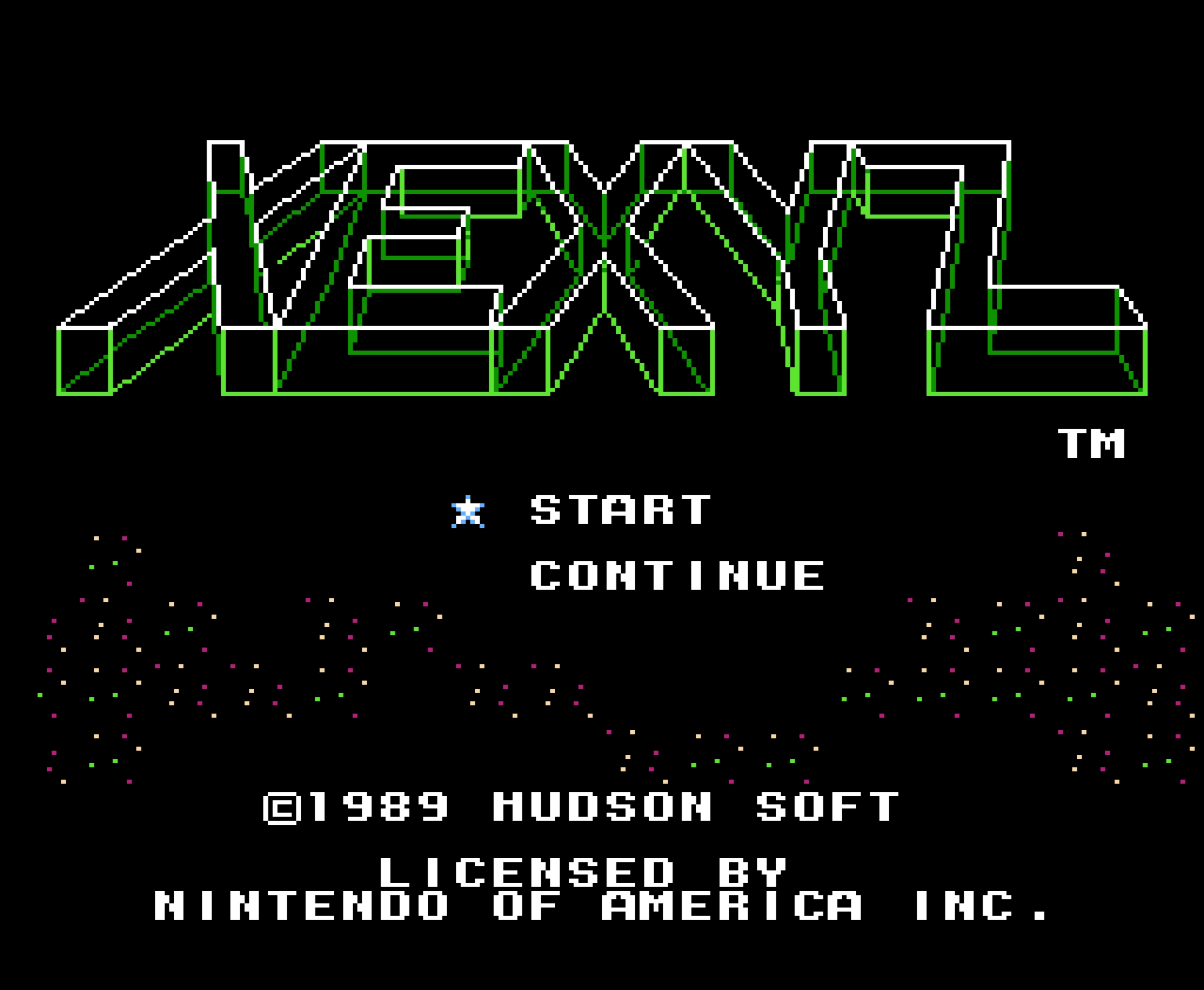
Imagine you are an American kid in 1989, ready to take a chance on a game whose name is an evocative pile of consonants. The cover doesn’t reveal much, an empty starfield with the word XEXYZ in a wireframe that suggests a Star Voyager-style flight sim. An elliptical quote promises “The Space Action Adventure…” but that could be almost anything. The back of the box appears to show three unrelated games.
Even if you were exposed to the game’s advertising, you wouldn’t have a clear picture of what to expect. The print ads omit screenshots for a painting of robots fighting in space and a dire tale of a post-apocalyptic Earth in the year 2777. The announcer in the Western TV ad relishes in saying the word Xexyz over and over, as if there was a mandate from the publisher to preemptively correct pronunciation. (The Japanese ad for Kame no Ongaeshi would have been less helpful though, ending with an offscreen voice laughing maniacally about Princess Tomato in the Salad Kingdom for no apparent reason.)
Internet Lurker. “Xexyz Commercial.” YouTube
Satoshi Matrix. “Kame no Ongaeshi (Xexyz) Commercial [1988, FC].” YouTube
If you did pick up the game, you were presented with a barrage of incongruous elements. A title screen repeats the cover’s wireframe logo and starry background, but the game begins as a platformer in a mountainous, grassy and decidedly terrestrial locale. Your character—possibly a robot or a person in space armor, it isn’t clear—is attacked by robots and spaceships.
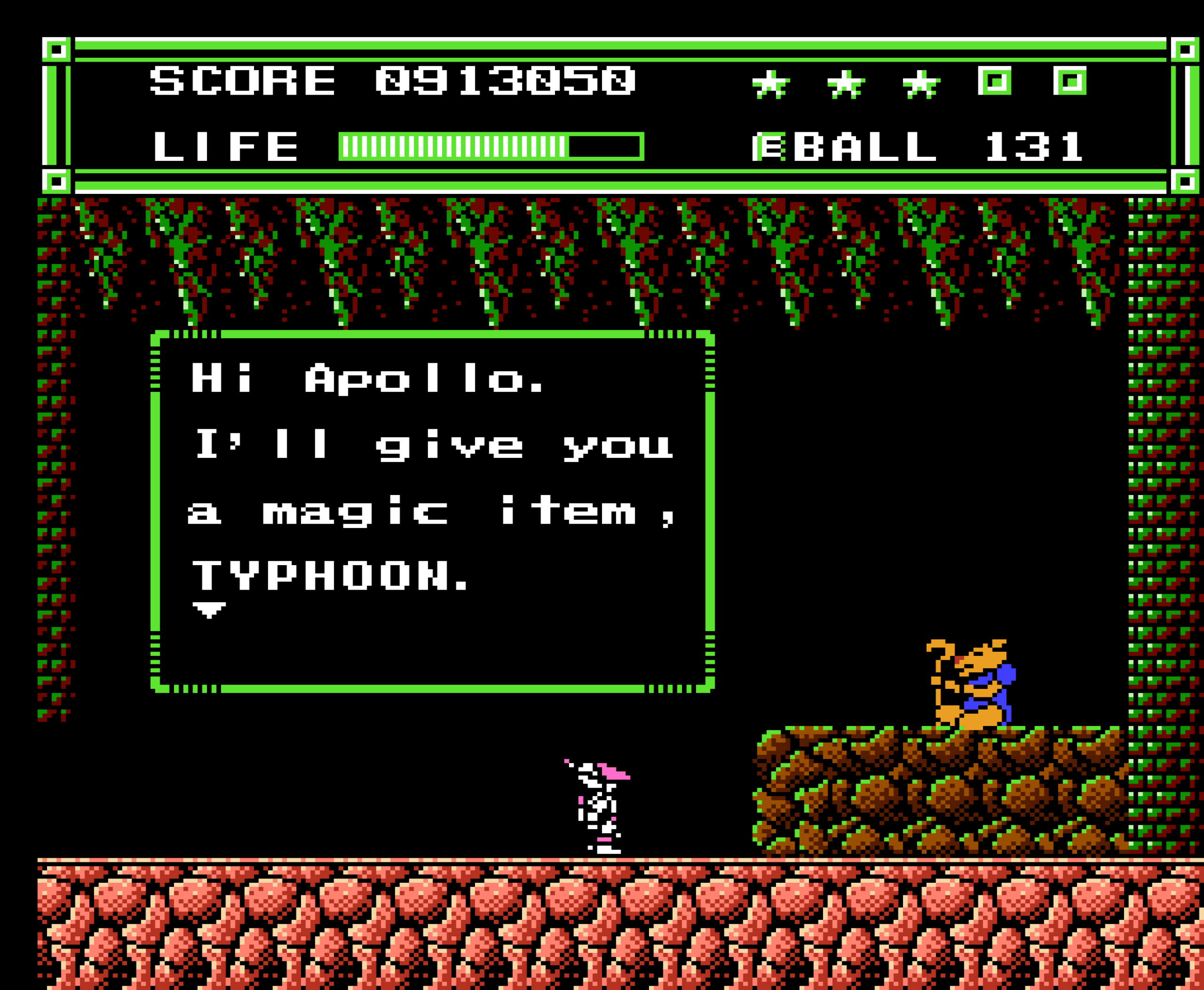
The world is rife with gambling; a robot offers a variation of Three Card Monte where you can’t lose, while a treasure room pays out in-game currency if you bonk a ghost into one of three chests on the ceiling. There appear to be Moai heads dripping a harmful substance. The evil robots contrast cute woodland friends like fairies, an anthropomorphic frog and something that looks like Winnie-the-Pooh holding a shepherd’s crook.
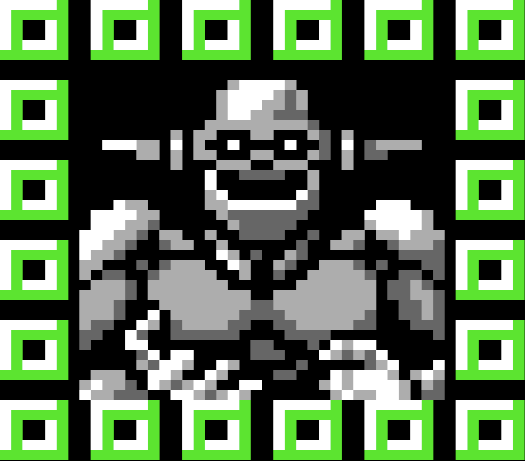
References to Greek mythology abound; your character is named Apollo, you appear to fight a cyclops head, you are given an item called “foot wing.” An NPC refers to “King Xeu Star” as if it’s someone you should know. The fairies direct you to a secret room where you have to defeat the Devil—rendered as an enormous, menacing statue—to advance.
This is the first level.
Xexyz was unusual in that it was a one-off franchise that never appeared outside of the NES ecosystem. Most noteworthy NES games got sequels, or started as arcade games, or were quietly part of larger franchises with limited reach outside of Japan. Even games that felt like dead-end curiosities were often later revisited. Digital distribution (and maybe a little developer nostalgia) allowed for new takes on dormant games. NES mainstays like Bionic Commando, Blaster Master and River City Ransom were suddenly seeing sequels and reboots.
Blaster Master in particular has an odd history. It followed a similar path as Xexyz, first released as a Famicom game with space anime adornment (Chô Wakusei Senki Metafight), then localized with most of that story discarded. Blaster Master had a loose set of sequels before its 2010 resurrection as Blaster Master Overdrive (Blaster Master Boy, Blaster Master 2, Blaster Master: Blasting Again). But they largely abandoned Metafight’s plot in favor of the canon established by the NES game’s revised intro sequence.
Stranger still, later games in the series adopted plot elements from the Worlds of Power novelization, an unofficial adaptation that expanded the Western intro scene with new character and setting details. By the time the Blaster Master Zero series launched in 2017 the franchise had become something of an exquisite corpse project, picking up canonical details from each participant who contributed to the story.
Xexyz never received this treatment, if only because its reception then and now has been something of a meh. (Electronic Gaming Monthly gave it an average of 6.5/10, with one reviewer conceding that it’s “Not a fabulous game, but one that offers enough to draw most action fans.”) As a result its explicit plot—the end result of the developers’ intent, plus its supplemental media—is sort of frozen in amber. Xexyz is a rare situation where an NES game has to be understood on the same terms today as it was in the late-Eighties.
The fourth page of the English-language manual attempts to collate Xexyz’s story fragments. Titled THE GAME STORY, it’s about 160 words long, featuring some names and details accurate to the game, but also some plot details that seem to be invented to tie this all together. Honestly, as these single-page instruction manual summaries go, it’s pretty true to the game. (Compare this to Konami’s instruction booklets, where a copywriter would invent entirely new plots, seemingly out of boredom. There’s an entirely separate Metal Gear cannon if you take its manual seriously.)
There are other suggestions of a Xexyz universe here, but you have to assemble them from discrete bits. The plot summary is comparatively minor, given the same amount of space as the legal boilerplate. There are four pages dedicated to establishing proper names for much of what you’ll encounter: bosses, stages, mech suits and cyborg riders. But even these descriptions seem at odds with themselves. The proper names are X-laden sci-fi riffs on the game’s title (Zebox, Dolfix, Jennex), presented in a typeface that—oddly—suggests Celtic folklore.
Much of this is probably incidental (I’m not sure this typeface really had deeper implications beyond a designer thinking it looked cool), but as with the game’s juxtaposition of fairytales and space anime, these tiny pieces butt up against each other in unexpected ways.
When it works it’s fascinating. The incongruity of all of these styles and fragments suggest a deeper story than what’s offered explicitly. Understanding Xexyz requires you to approach it as something of a gestalt. Its pieces add up to a larger whole, but it’s on you to find connections between elements that have little to no stated relationship.
This makes for a game that is open to interpretation. As young children my friends and I found it mystifying, even sort of dangerous. Even if it is merely a quirk of translation, the cutesy fairytale facade almost immediately gives way to a depiction of Satanism. It felt like we had happened upon something forbidden.
Now I’m struck by the collaborative, hybridized nature of seemingly every aspect of the game. Xexyz can only be categorized with a lot of hyphens (it’s an action-adventure-platformer-sci-fi-fantasy-shooter). It borrows from several aesthetics, resulting in a pastiche heavily indebted to prior, non-games media. Translation issues could be attributed to technical limitations or a lack of institutional knowledge, but the production’s stone soup approach to storytelling mirrors Xexyz’s discursive, fragmented plot. The game has one foot planted in Eastern and another in Western tradition. Squint a little bit and it becomes a metacommentary on the burgeoning state of the video game industry itself.
It’s probably a fool’s errand to read something like authorial intent into a project that, in a literal sense, doesn’t have authors. Or perhaps more accurately has several authors, but working at cross purposes, on an abbreviated timeline and with little formal hierarchy.
It’s noteworthy that Kame no Ongaeshi: Urashima Densetsu was published merely a year or two before 16-bit RPGs would begin to formalize console storytelling conventions, or at least the structure of narrative production and localization. Mother 2 provides an absolute wealth of thematic raw material, but it’s also intentional. There’s a reason why the game looks and sounds the way it does, and it has a creative lead who will gladly tell you why.
But Xexyz and games of its ilk occupy a final moment before games storytelling becomes professionalized. The gaps in its aesthetic, explicit and implicit narrative and even contemporary critical appraisal are entry points for user interpretation, a demand of the player to, well, play along. What does it mean? What do you think?
